

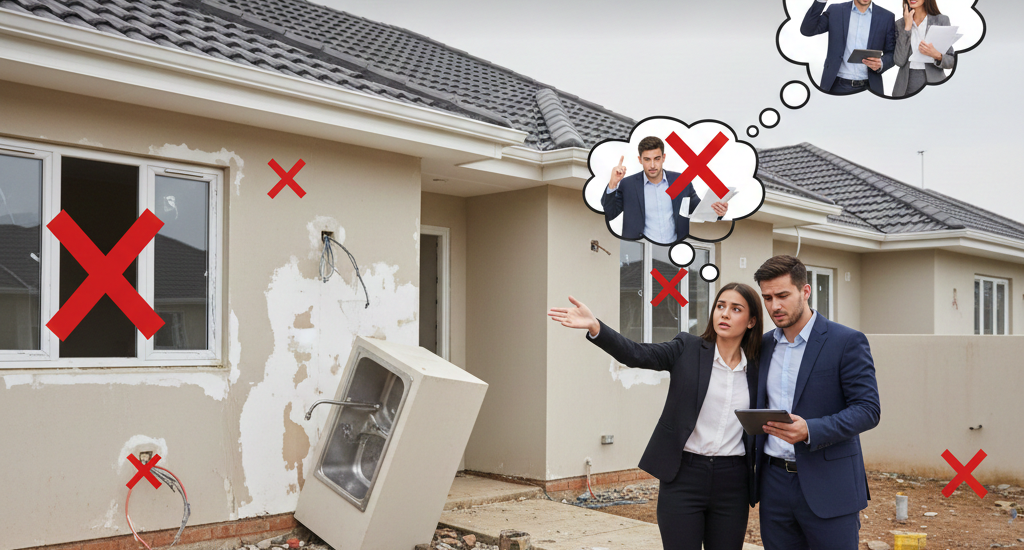
Buying a new property should be an exciting milestone—but skipping snagging before handover can quickly turn that excitement into stress, unexpected expenses, and long-term regret. Many buyers assume that a brand-new home will be flawless. In reality, construction defects are common, even in premium developments.
This article explains what snagging is, what can go wrong if you skip it, and why it’s a non-negotiable step before handover, especially in fast-paced real estate markets like Dubai.
What Is Snagging Before Handover?
Snagging is a detailed inspection of a property before the developer officially hands it over. A professional snagging inspection checks:
- Structural integrity
- Finishing quality
- Plumbing and drainage
- Electrical systems
- HVAC and ventilation
- Doors, windows, flooring, paint, and fixtures
All defects—known as snags—are documented and submitted to the developer for rectification before you accept the property.
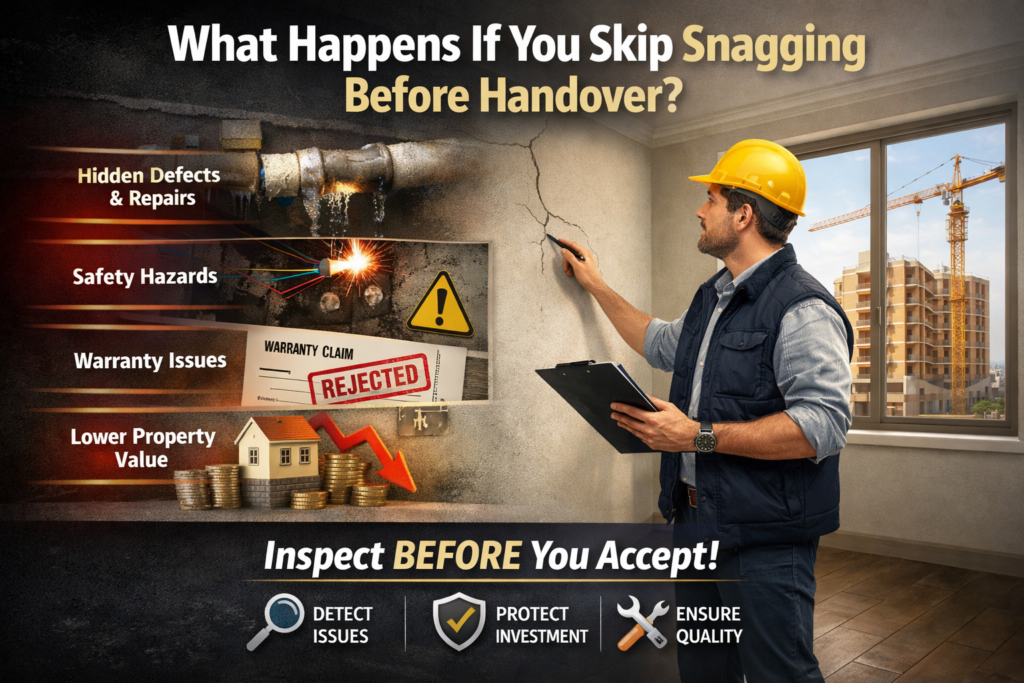
What Happens If You Skip Snagging?
1. Hidden Defects Become Your Financial Responsibility
Once you accept handover, many defects become your problem, not the developer’s. Minor issues left unchecked can later turn into expensive repairs.
Examples include:
- Leaking pipes inside walls
- Poor waterproofing in bathrooms
- Faulty electrical wiring
- Uneven flooring or loose tiles
Fixing these after move-in often costs significantly more than correcting them pre-handover.
2. Loss of Negotiation Power with the Developer
Before handover, the developer is obligated to fix issues. After handover, your leverage drops sharply.
Without an official snag list:
- Developers may delay responses
- Claims can be rejected as “wear and tear”
- Repairs may fall outside warranty coverage
Snagging protects your rights while you still have legal and contractual power.
3. Warranty Claims Become Harder
Most properties come with Defect Liability Periods (DLP), but skipping snagging complicates claims later.
Why?
- Developers may argue defects existed before handover
- Lack of documented proof weakens your case
- Some issues may fall outside warranty clauses
A professional snagging report creates clear evidence that protects you throughout the DLP.
4. Safety Risks Go Unnoticed
Not all defects are cosmetic. Some pose serious safety hazards, such as:
- Exposed wiring
- Improper earthing
- Gas or plumbing leaks
- Poor balcony or railing installation
Skipping snagging puts occupants—especially families and tenants—at risk.
5. Lower Property Value & Rental Issues
If you plan to rent or resell:
- Visible defects reduce rental appeal
- Tenants complain or request repairs immediately
- Property valuation may be affected
Snagging ensures your home is market-ready from day one.
6. Stress, Delays & Disrupted Move-In Plans
Post-handover repairs often mean:
- Living with ongoing construction
- Repeated follow-ups with contractors
- Delays in furnishing or renting
A pre-handover snagging inspection helps you move in with confidence—no surprises.
Why Professional Snagging Matters
While buyers can do a basic walkthrough, professional snagging inspectors use:
- Technical expertise
- Specialized tools
- Industry standards and checklists
They spot issues the untrained eye misses—especially in MEP systems and structural finishes.
Final Thoughts: Is Skipping Snagging Worth the Risk?
Skipping snagging may save a little time upfront—but it often leads to:
- Higher repair costs
- Legal disputes
- Safety concerns
- Reduced property value
A snagging inspection is a small investment that protects a large asset.
Don’t Accept a Property on Trust—Accept It on Proof
If you’re buying a new property, snagging before handover isn’t optional—it’s essential. A professional inspection ensures your home is delivered as promised, defect-free, and ready for long-term living or investment.